
A Church That Feels Like Home - Bryan von Folmar
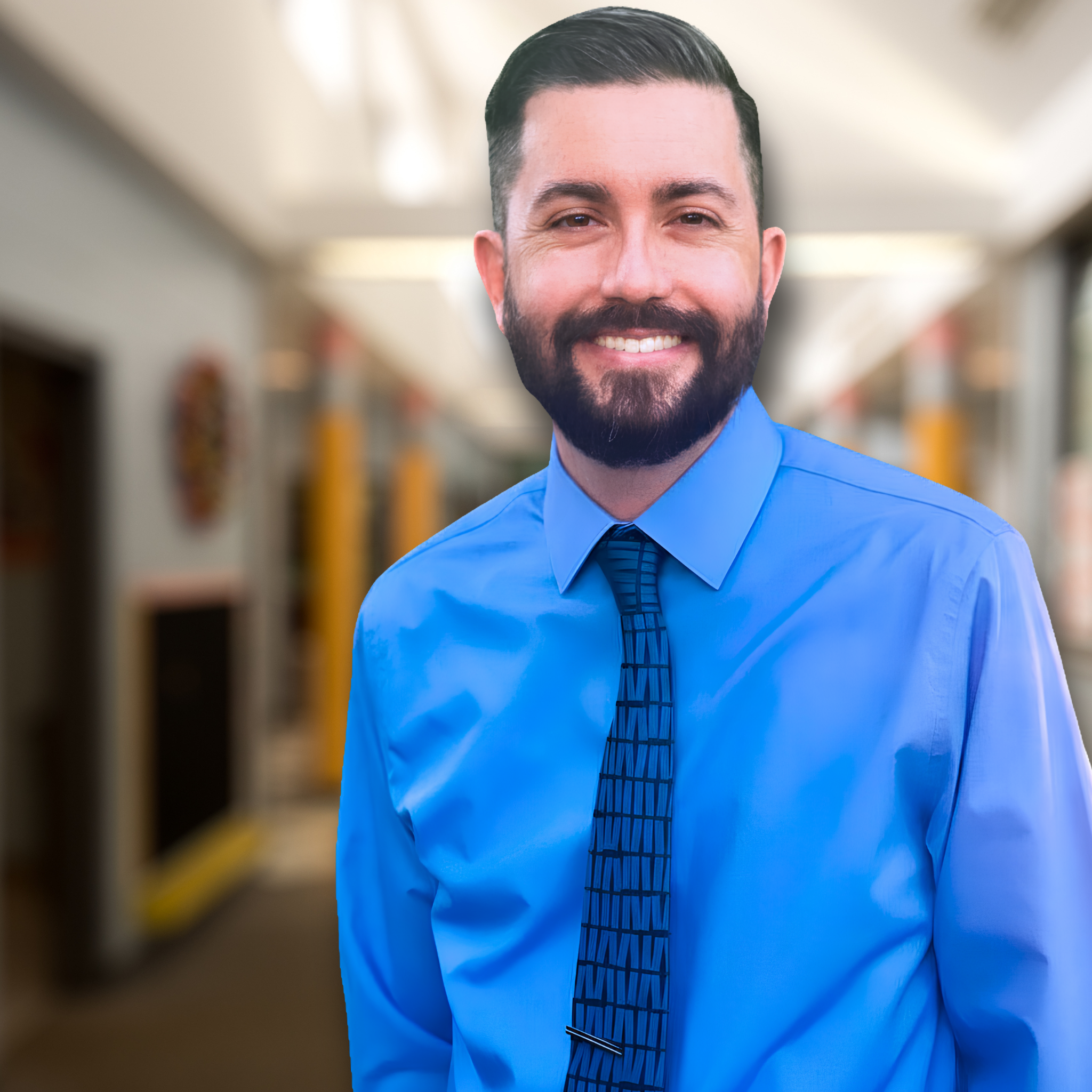
A Church That Feels Like Home
Bryan von Folmar
Husband to the Primus
Some people find the Church through doctrine. Some find it through crisis. Some find it because they were raised in it and never quite left.
For me, the journey has been different.
Being Convergent Catholic feels less like joining an institution and more like finding a spiritual home. That matters to me because my story has always been shaped by home, family, belonging, and the kind of love that shows up before anyone knows what the future will hold.
I was born three months premature. My beginning was fragile. Before I ever understood faith, prayer, or Church, my life was already being held by people who knew what it meant to serve. My mother was a nurse. My father was a fireman. They both carried vocations rooted in care, presence, courage, and sacrifice.
My mother believed she was unable to have children. Then, as a brand-new NICU nurse, she met me. I was the first baby she worked with in that role. She knew from the moment she saw me that she would be my mother.
That kind of love is hard to explain. It was not based on biology. It was not based on certainty. It was not based on anything I had done or could offer in return. It was love that recognized me before I could recognize anyone else. It was love that chose me.
I did not learn until later in life that I had been adopted. That discovery brought questions, and a need to understand more of my own story. Over time, it also opened the door to a larger family than I had known before. I have been able to hold together the love of the parents who raised me and the truth of those who brought me into the world.
In 2025, I was able to reconnect with my birth mother in the twilight weeks of her life. She passed only weeks after we reconnected. That time was brief, but it mattered. Some relationships do not get the years we wish they had. Some healing comes late. Some grace arrives quietly, almost at the edge of goodbye.
Those experiences have shaped how I understand faith.
Faith, to me, is not about having every answer. It is about learning how to receive love, how to give love, and how to stay open to the places where grace is still working.
Growing up, my family was culturally Catholic, but we did not really attend church. Catholicism was more of a background identity than a lived rhythm. After my parents divorced, I was sometimes taken to an evangelical megachurch on the big holidays. Christmas. Easter. The kinds of days when people who do not think much about church still feel some pull toward it.
But God and the Church were not central parts of our life. We were not hostile to faith. We were not deeply formed by it either. It was simply not something we thought about much.
That began to change when I was dating Metropolitan John Gregory, who I first knew simply as Kenny.
One of the first places I went with him was a Christmas Eve Mass at the local Episcopal Cathedral. I did not know all the prayers. I did not understand all the movements. I did not have the vocabulary for what was happening around me. But I saw how important this life was to him.
I saw reverence. I saw beauty. I saw a faith that was not only spoken but embodied. Candles. Scripture. Sacrament. Silence. Song. A gathered people turning their attention toward Christ.
Something in that moment stirred curiosity in me.
I wanted to understand why this mattered so deeply to him. I wanted to know what kind of life could be built around prayer, worship, service, and community. I wanted to be part of what mattered to the person I loved.
That curiosity has stayed with me.
Over the years, I have come to appreciate the richness of Catholic tradition. The sacraments. The prayers. The liturgical seasons. The connection to Christians across centuries. There is something grounding about knowing we are not making everything up as we go. We are receiving something ancient, something tested, something larger than ourselves.
At the same time, I value the relational warmth often found in Protestant and non-denominational spaces. I value welcome. I value mission. I value the kind of community where people know your name, notice when you are missing, and care about what is happening in your life.
That is one of the reasons Convergent Catholicism makes sense to me.
It holds together things that people often pull apart. It honors tradition without becoming cold. It values relationships without becoming shallow. It takes worship seriously without forgetting that the people in the pews are carrying real burdens.
For someone like me, who did not grow up with a strong church background, that matters.
I did not come into the Church with a head full of answers. I came with questions. I came with curiosity. I came because I saw love embodied in someone else’s life, and I wanted to understand the source of it.
In the Convergent Catholic Communion, I have found space for that kind of journey. I can say, “I do not have all the answers,” without feeling like I do not belong. I can ask questions. I can learn. I can grow. I can be formed by the ancient practices of the Church while still being honest about where I am.
That honesty is important.
The Church should not be a club for people who have everything figured out. It should be a family of imperfect people learning to follow Christ together. It should be a place where faith is not reduced to attendance, rules, or religious knowledge. It should become a way of life.
For me, being Convergent Catholic is about encountering God through authentic relationships, compassion, hospitality, and service. It is about loving neighbors well. It is about supporting those who are hurting. It is about building genuine friendships. It is about seeing every person as someone created and cherished by God.
The traditions of the Church give structure and depth. Relationships give warmth and life.
Both are needed.
I have also learned that when a person is called to serve the Church, their whole family is called in some way. Not everyone is called to the same role. Not everyone stands at the altar, preaches, leads liturgy, or carries an ecclesial title. But the calling still touches the household.
Every step the Convergent Catholic Communion has taken has also been part of my life. I have watched the burdens. I have seen the prayers. I have seen the late nights, the hard conversations, the hope, the disappointment, the rebuilding, and the quiet labor that most people never see.
My role has often been simple. Love. Support. Pray. Show up. Do what is needed for the people of God.
That is ministry too.
Sometimes ministry looks like public leadership. Sometimes it looks like setting up chairs, listening after liturgy, caring for your family, encouraging the one who is weary, or making sure people feel seen. Sometimes it is the steady work of being present while something holy and difficult is being built.
My own story began in a NICU, held by a mother who chose me before I could choose her. Maybe that is why the idea of spiritual home means so much to me. I know what it means to be received. I know what it means to have family formed by love rather than only biology. I know what it means to discover parts of your story later and still make room for healing.
That is what the Church should feel like.
Not perfect. Not polished. Not pretending.
But real.
A place where Christ receives us before we know how to respond. A place where we are formed into family. A place where the ancient faith becomes flesh through love, service, worship, and mercy.
That is why I am Convergent.


Comments