
A Paschal Pastoral Letter For Great & Holy Pascha
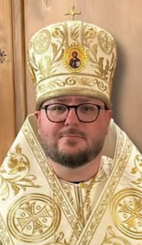
Beloved in Christ,
Christ is risen.
In the light of the Resurrection, I write to you at a time when the world feels burdened by uncertainty, division, and grief. The proclamation of Pascha comes to us not as sentiment, but as truth spoken into a wounded world. We do not proclaim resurrection because life is easy. We proclaim it because life is difficult, and because the Gospel insists that suffering and death do not have the final word.
During this Holy Week, we walked again through the familiar yet unsettling events of our Lord’s Passion. We saw betrayal from within the circle of trust. We saw power used to dominate rather than to serve. We saw religion align with political authority to condemn the innocent. We stood before the cross where violence appeared to triumph. Then we waited in the silence of Holy Saturday, when God seemed absent and hope appeared buried.
These are not distant events. They reflect the world we inhabit.
In the United States, we see growing polarization and mistrust. Public life is marked by anger, and communities struggle to listen to one another. Families are divided, and many feel isolated despite constant connection. The Church itself is not immune. Christians often mirror the same divisions, aligning more with ideology than with the humility of Christ. In such a moment, the Passion narrative speaks with renewed clarity, reminding us that fear, certainty, and the pursuit of power can lead even religious communities away from the heart of the Gospel.
Beyond our national borders, suffering continues in many forms. War displaces families and destroys communities. Economic instability burdens the vulnerable. Refugees seek safety while nations wrestle with compassion and responsibility. In many places, Christians and other religious communities face persecution, while in others, faith struggles against indifference and despair. The wounds of Good Friday remain visible throughout the world.
It is into this reality that the Church proclaims the Resurrection.
Christ is risen, and in his rising, the logic of violence is overturned. The Resurrection does not deny the cross. Rather, it reveals that the cross is not the end. The powers that condemned Christ believed they had preserved order. Yet God acted beyond their calculations. The tomb was sealed, but life emerged. The disciples hid in fear, but they became witnesses. The story that seemed finished was only beginning.
The Resurrection therefore challenges the Church in every generation. If Christ is risen, then fear cannot define our common life. If Christ is risen, then reconciliation must replace division. If Christ is risen, then we are called to stand with the vulnerable, to practice mercy, and to refuse the temptation to scapegoat those who differ from us.
The risen Christ bears the wounds of the crucifixion. This is not accidental. The Resurrection does not erase suffering; it transforms it. In the same way, the Church is called to become a wounded yet hopeful people. We carry the marks of division, disappointment, and struggle, yet we are called to live as witnesses to hope. This hope is not abstract. It takes shape in acts of compassion, in efforts toward reconciliation, and in a renewed commitment to serve rather than dominate.
In our own nation, this means cultivating a spirit of humility and listening. It means resisting the temptation to reduce one another to labels. It means remembering that our unity in Christ transcends every political and cultural boundary. The Church must again become a place where mercy is practiced and where the dignity of every person is upheld.
In the wider world, the Resurrection calls us to seek peace, to care for those displaced by conflict, and to stand in solidarity with those who suffer. Christians everywhere are invited to live the reality of Pascha not only in worship, but in daily life. The Resurrection is proclaimed in our words, but it is made visible in our actions.
Beloved in Christ, Pascha is not only celebration. It is commission. We are sent into the world as witnesses to the life that overcomes death. In a time marked by uncertainty, the Church is called to embody hope. In a world marked by division, we are called to embody reconciliation. In a culture marked by fear, we are called to embody love.
May the light of the Resurrection strengthen the faithful, comfort the grieving, and inspire the Church to renewed witness. May the risen Christ grant peace to our troubled world and guide us in the path of justice and mercy.
With paternal love in the Risen Lord, I remain
Yours in Christ,
John Gregory
Christ is risen from the dead, trampling down death by death, and upon those in the tombs bestowing life.
Christ is risen. Truly He is risen!


Comments