
LOOKING BACK AT THE FEAST OF THE HOLY CROSS
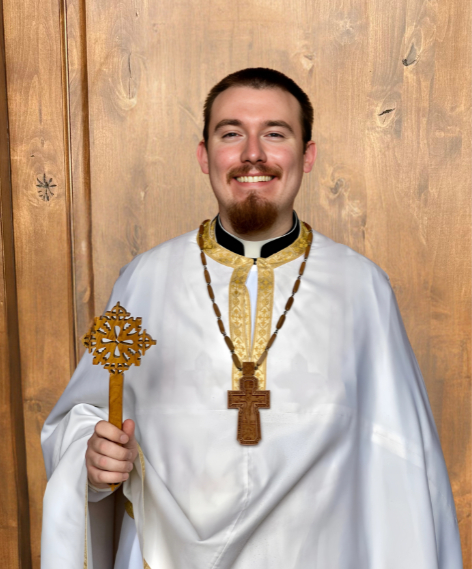
On September 14th, many churches will be celebrating the Feast of the Triumph of the Holy Cross. This feast commemorates the presentation of a relic of the cross of Christ that was shown for the first time after the consecration of the Church of the Holy Sepulchre in Jerusalem. In addition, this feast is often associated with the discovery of the True Cross by St. Helena and with its elevation at Hagia Sophia in Constantinople after the Eastern Roman Empire recovered it from the Persian Empire.
In Eastern churches, this feast is one of the Twelve Great Feasts of the Church, placing it in the same category as Christmas or Pentecost. That is a very high honor for a feast that many people do not think about as much today, and I think today is a good opportunity to reflect a bit on this feast.
Holy Cross Day, on the one hand, champions the victory of the cross over sin and death in the resurrection. This is something that all Christians should celebrate, as we too will share in this victory. However, this feast also demonstrates the fusion of the Church with the imperial state. The St. Helena who recovered the cross was the mother of St. Constantine, the emperor who famously legalized Christianity and sponsored the first ecumenical council. It was St. Constantine who also sponsored the construction of the Church of the Holy Sepulchre. And it was another emperor, Heraclius, who elevated cross in Constantinople after it was recovered from the Persian Empire.
Looking at the Feast of the Holy Cross in this wider context, it seems less appealing to me. Yes, Christ defeated sin and death at the cross (and we should celebrate that) but at the same time, the co-opting of the cross by the very empire that crucified Christ is one of the greatest faults in the Church’s history. It was this fusion of church and empire that contributed to so many great evils – the Crusades, imperialism, colonialism, multiple world wars, and the Holocaust. The negative reputation of Christianity today often traces back to these very events and the ways in which Christians used these events to justify going against the teachings and example of Christ.
In January of last year, Greek Orthodox Archbishop Elpidophoros of America attended President Trump's inauguration. He (along with many other church leaders) then attended the National Prayer Service at Washington National Cathedral. Archbishop Elpidophoros then attended an event at the White House in March 2025, where he presented President Trump with a cross and said, “You remind me of the great Roman Emperor Constantine,” and “Let this cross guide you as it once guided Constantine.” This is an example of the “Christian” nationalism that is corrupting our church and country now.
The political environment we find ourselves in today can be traced directly to the fusion of church and empire that we honor with the Feast of the Holy Cross. The mass deportations, shootings, bombings of schools, war, and economic distress of today can be traced directly back to the example of the Emperor Constantine. It is no coincidence that War Secretary Pete Hegseth has a Jerusalem cross tattooed on his chest, as this cross was often used by medieval crusaders.
The Feast of the Triumph of the Holy Cross should be an event for celebration. It shows that God used an imperial tool of execution and turned it into Christ’s victory over sin and death. But in 2026, I think we should perhaps look at this feast in a more somber light. We should look to the true cross of Christ and not give glory to any nation or empire but rather remember the work that we must do. There is still a lot of sin and death in our world. There are still many Caesars who like to claim Christ as their own. In response to this, the Church is called to serve as a holy nation, a priestly kingdom called to love and serve others, a counter to this age’s empires.


Comments